Fashion Photo Retouching Services
Where the work is judgment, not processing.
Fashion retouching is a judgment craft. The decisions that matter are about what to leave alone: which pore stays, which fold reads as the cut of the garment, which highlight is the fabric and which is a flaw. At The Pix, those decisions are made by retouchers who work in fashion every day.
If the retouching is visible, the retouching is not finished.
Request a Custom Quote
What high-end fashion retouching involves
High-end fashion retouching is the manual finishing of fashion imagery to a standard where the editing itself cannot be detected. Fashion retouching covers skin, fabric, color, form, and the continuity that holds an image series together. Fashion retouching is not background removal, and fashion retouching is not a filter applied at scale. Clients brief this work as fashion photo editing and as fashion retouching interchangeably, and both describe the same service at The Pix.
Three commitments define the standard at The Pix.
Skin stays skin.
The retoucher removes distractions and evens tone while preserving pores, surface grain, and the structure of light across the face and body. A retouched portrait should show a person who was photographed well, not a surface that was smoothed. Over-smoothing is the most common failure in fashion retouching and the easiest to spot at full resolution.
Fabric stays fabric.
Weave, drape, and sheen survive the retouch intact. Silk reads as silk. Wool reads as wool. Leather keeps its grain and its specular behavior. The retoucher who flattens a textile into a clean gradient has removed the thing the photograph was taken to sell.
Color matches the garment, not the sensor.
The retoucher corrects toward the physical product rather than toward what the camera recorded under the lighting on the day. Color accuracy in fashion is commercial, not aesthetic: a customer who receives a garment in a different shade than the campaign showed returns it.
Why AI does not do this work
Artificial intelligence produces an average result instantly. Fashion retouching at the high end is decided by what is left alone, and leaving something alone is a judgment about that specific image.
The limitation is architectural rather than a question of model quality. An automated tool applies a learned transformation to the pixels it receives. The tool has no access to the physical garment, no knowledge of the brand's color standards, and no basis for deciding whether a fold is a wrinkle to remove or the cut of the sleeve to preserve. Better models produce a smoother average. Better models do not acquire the reference the decision requires.
The failure shows up in three predictable places. Skin loses pore structure and reads as plastic. Open weaves — lace, crochet, mesh, eyelet — close up, because a model trained toward smoothness treats a hole as noise. Color drifts toward a pleasing rendition rather than the actual product.
At The Pix, every fashion image is finished by a retoucher and reviewed before delivery. No image ships on an automated pass alone.
Beauty retouching
Beauty retouching is the close-range finishing of skin, hair, and cosmetic product in imagery where the face fills the frame. Beauty retouching demands more restraint than any other category, because at beauty crop distances every decision is visible at full resolution.
The beauty standard at The Pix is preservation. Pores stay. Fine hair stays, including the strands at the hairline that automated tools erase first. Skin texture varies across the face in reality, and that variation is retained rather than averaged into a single surface.
Cosmetic product photography carries its own requirement. A lipstick's finish — matte, satin, metallic — is the product attribute being sold, and the retouch protects it. A foundation swatch photographed against skin has to keep the relationship between the two surfaces intact.
Beauty and fashion retouching are distinct specializations at The Pix. The retoucher finishing a beauty campaign is not the same person finishing an on-figure lookbook, because the two disciplines reward different instincts.
The production types we finish
Fashion production covers several distinct kinds of work, and each kind has its own retouching requirements.
On-figure.
On-figure retouching finishes imagery of garments worn by a model. The work covers skin, hair, garment fit, drape correction, and the removal of clips, pins, and rigging used on set. The retoucher corrects the fall of a garment without redesigning the garment.
Campaign.
Campaign retouching finishes the small number of images that carry a season's advertising. Campaign work is high-touch and quoted per project, because a hero image is looked at longer and larger than any other image a brand produces.
Editorial.
Editorial retouching finishes imagery for magazines and features, where the creative direction is stronger and the retouch serves the photographer's intent rather than a catalog standard. Editorial work at The Pix is handled by retouchers who work with photographers regularly.
Lookbook.
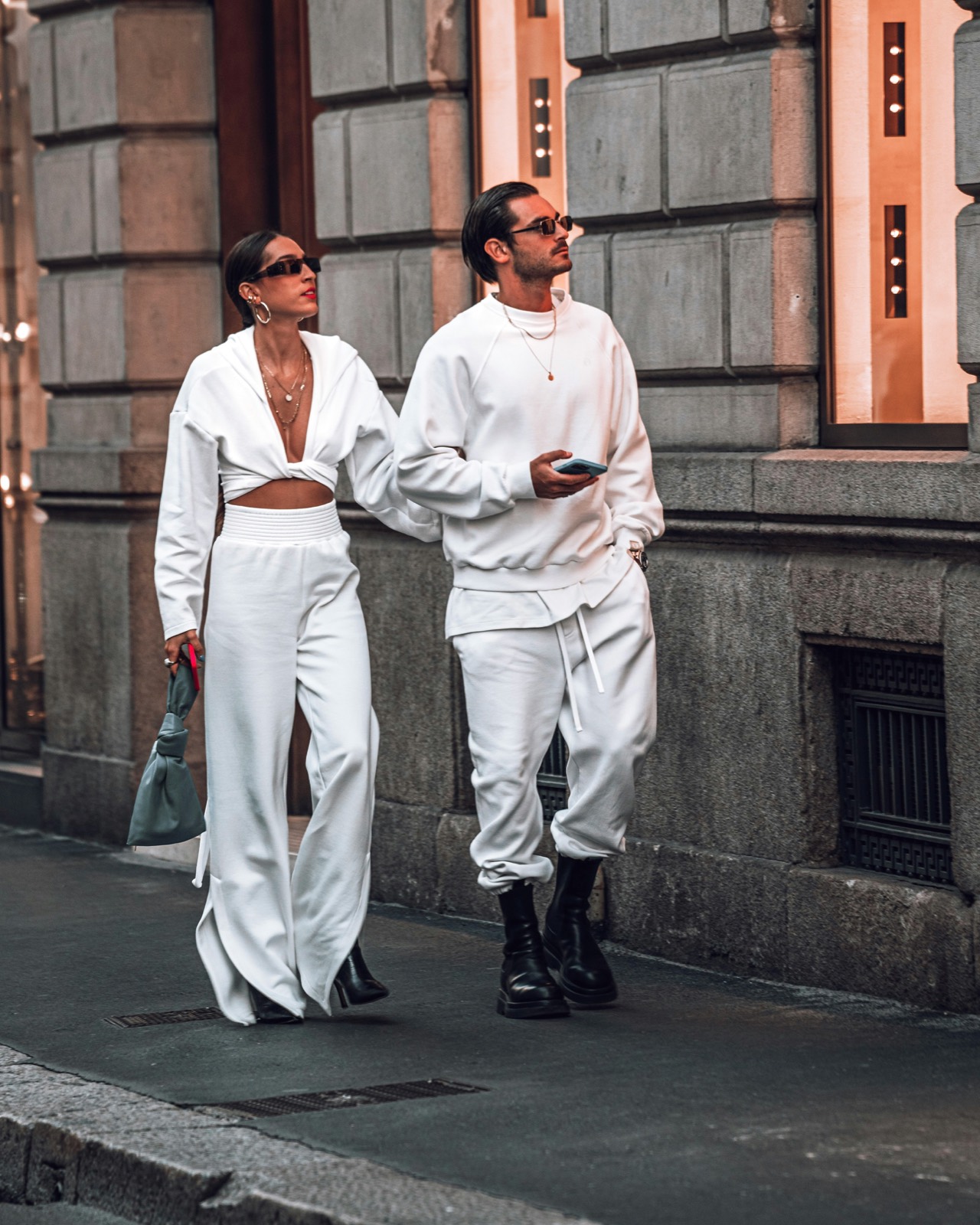
Lookbook retouching finishes a full seasonal range to one standard. A lookbook is judged as a set: the images are viewed in sequence, so a shift in skin tone or color treatment between look four and look eleven is immediately visible. Lookbook consistency is a production discipline, not a per-image outcome.
High-end fashion e-commerce.
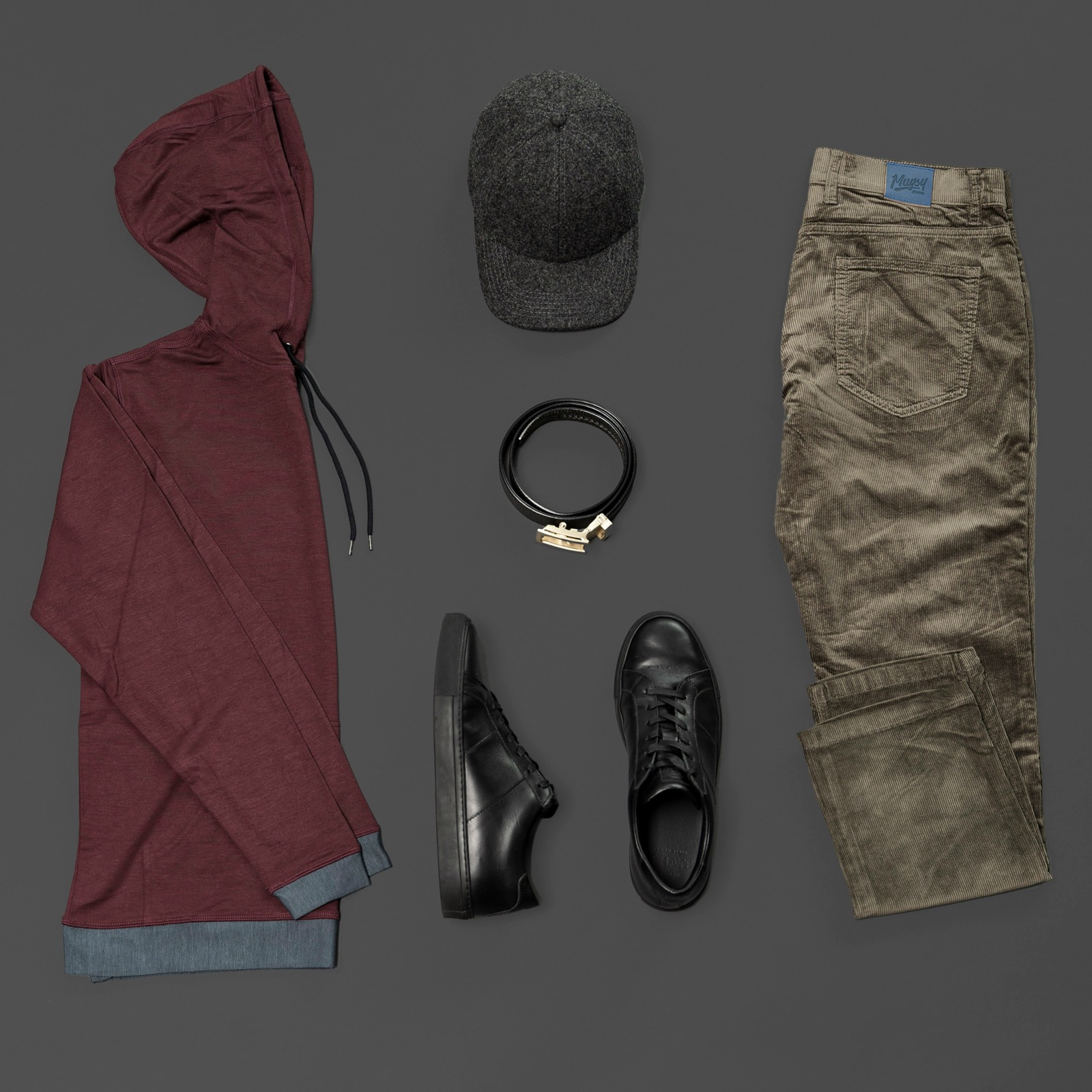
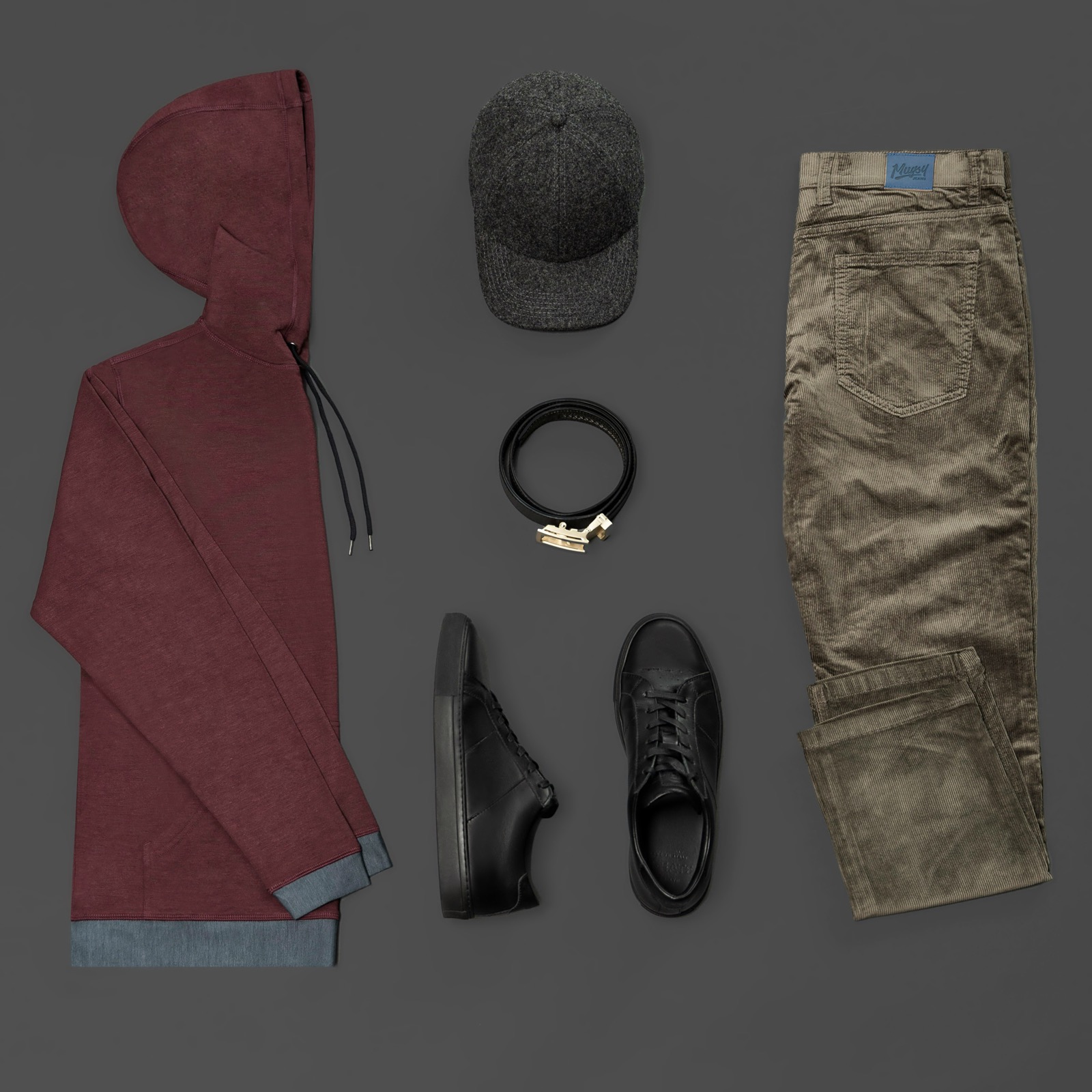
Fashion e-commerce retouching finishes product imagery for a brand's own storefront to a standard closer to campaign than to catalog. For high-volume garment catalog work — flat-lay, packshot, ghost mannequin, and colorway runs across hundreds of SKUs — see our apparel photo editing service, which is built for that scale.
Consistency across a campaign or a collection
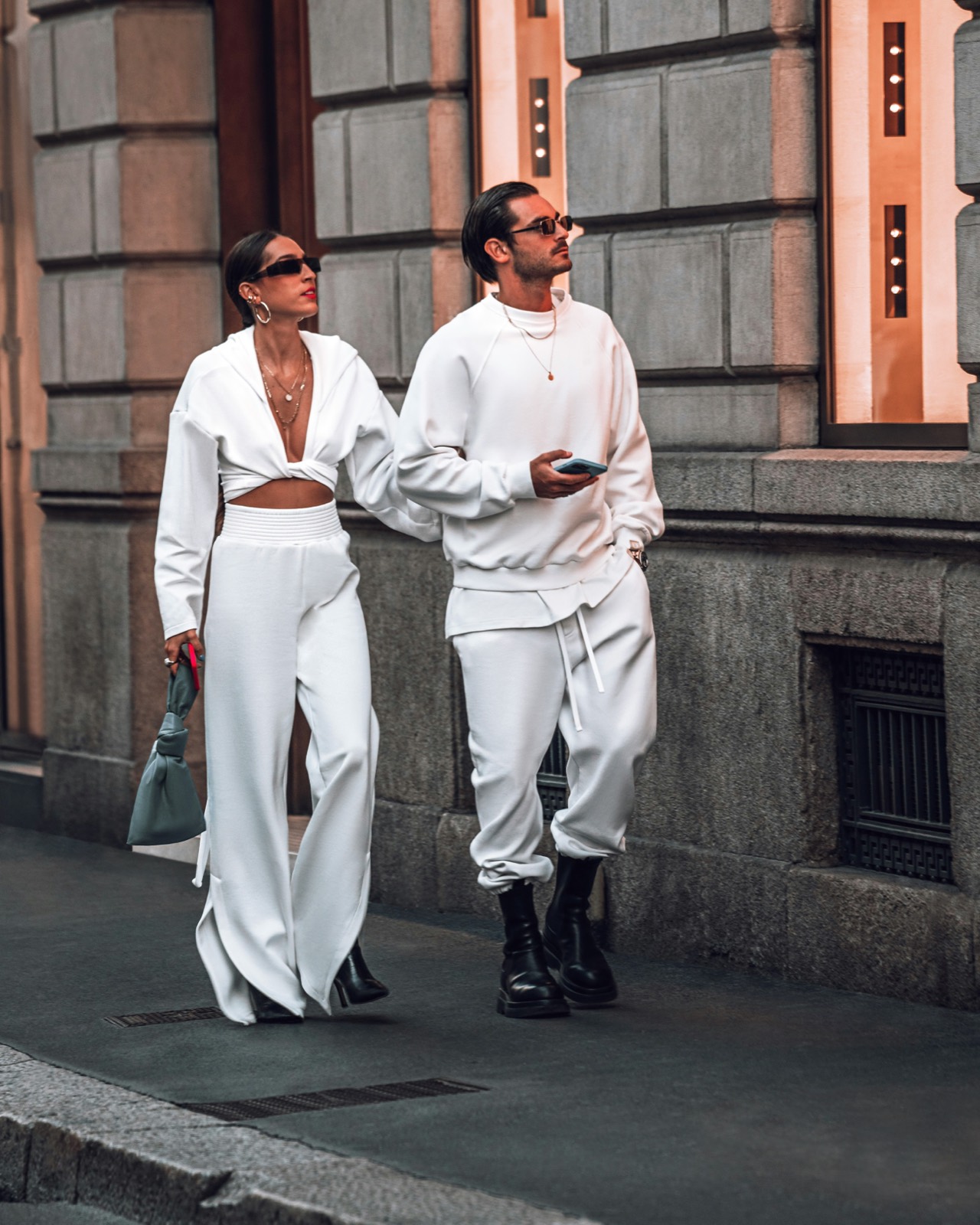
Consistency across a fashion campaign means that every image in the set reads as belonging to the same shoot, the same season, and the same brand. Consistency is the requirement that separates studio work from freelance work, and consistency is the requirement that fails first at volume.
Three things produce it at The Pix.
Category specialists.
Retouchers work in the categories they know. The retoucher finishing beauty imagery finishes beauty imagery regularly rather than rotating across whatever arrives that week. Consistent output comes from the same trained eyes making the same decisions across a series.
A brand standard that accumulates.
Color targets, retouch depth, skin treatment preferences, and the specific things a brand never wants done are recorded on the account after the first project. By the third project, The Pix applies the standard rather than asking about it.
Internal review before delivery.
Every fashion order passes preparation, retouch by the specialist, and an internal quality control pass. The review checks the image against the brand's standard rather than against a general idea of good.
How we work
At The Pix, fashion and beauty work moves through a three-stage process. Preparation comes first. The specialist retouch comes second. An internal quality control pass comes third, before anything reaches the client.
Every account has one coordinator. The coordinator holds the brand's standards and carries them from project to project, so a returning client is not re-briefing the same preferences each season.
Standard orders — roughly five hundred images or fewer, depending on retouch depth — typically return within one business day. Timelines flex with the specifics of a project, and The Pix confirms a date against scope rather than applying a blanket promise. Campaign and editorial work is quoted per project with a committed timeline, because high-touch retouching cannot be honestly promised against a blanket turnaround.
Files move through a client portal, over SFTP, or by direct pull from a client's own servers. Transfer is encrypted and storage is encrypted. The Pix signs the client's NDA at onboarding, and client imagery stays confidential — which is why no client work appears anywhere on this page. See our full process.
Why brands, agencies, and photographers work with this studio
The Pix has been retouching professionally since 2013. In that time the studio has processed more than three million images.
The team is thirty or more retouchers organized by category specialty — fashion, beauty, on-figure, editorial, product. Specialization is the reason the beauty standard and the lookbook standard can both hold: the two are different crafts handled by different people.
The studio operates from a US base with a Paris office and an international production team. Client coordination sits with the US and France offices, so a brand or photographer works with a coordinator in their own language and time zone.
None of that is decoration. Continuity of team is what makes a season's imagery look like one season rather than eleven separate jobs.
Request a Custom QuoteFrequently asked questions
Is fashion photo editing the same as fashion retouching?
Fashion photo editing and fashion retouching describe the same service in most client briefs. Editing is the broader term, covering color correction, cleanup, and file preparation. Retouching is the craft-level finishing inside it — skin, fabric, and form worked by hand. At The Pix, fashion photo editing always includes that retouching stage.
What is fashion retouching?
Fashion retouching is the manual finishing of fashion imagery by a trained retoucher, covering skin, fabric, color, and form. Fashion retouching differs from general photo editing in its restraint: the goal is imagery where the editing cannot be detected. Fashion retouching includes on-figure work, campaign imagery, editorial features, and lookbooks.
What does a fashion retoucher do?
A fashion retoucher finishes photographic imagery for fashion brands, agencies, magazines, and photographers. The retoucher corrects skin while preserving pore structure, protects fabric texture through the edit, matches color to the physical garment, and removes set rigging such as clips and pins. The retoucher also holds consistency across an image series.
How is fashion retouching different from beauty retouching?
Beauty retouching works at close crop distances where the face fills the frame, so every decision is visible at full resolution and restraint matters more. Fashion retouching works across the whole figure and the garment, where fabric behavior and drape carry the image. At The Pix the two are separate specializations handled by different retouchers.
How do you retouch fashion photography?
Fashion photography is retouched in stages. Preparation and cleanup come first, then the specialist retouch covering skin, fabric, color, and form, then a quality control review against the brand's standard. At The Pix every image passes all three stages, and no fashion image is delivered on an automated pass alone.
What software do fashion retouchers use?
Fashion retouchers work primarily in Adobe Photoshop, with Lightroom used for raw processing and color management before the retouch begins. High-end fashion retouching relies on manual techniques — frequency separation, dodge and burn, hand-drawn masking — rather than one-click filters or automated presets.
Do fashion retouchers use AI?
Automated tools can handle preparatory steps, but high-end fashion retouching remains manual. The reason is architectural: an automated tool has no access to the physical garment, the brand's color standards, or the intent behind a fold. At The Pix, every fashion image is finished by a retoucher and reviewed before delivery.
How long does fashion photo retouching take?
Standard fashion orders of roughly five hundred images or fewer typically return within one business day at The Pix, depending on retouch depth. Campaign, editorial, and high-touch beauty work is quoted per project with a committed timeline. Turnaround is confirmed against the specifics of the project rather than a blanket promise.
What is high-end retouching?
High-end retouching is finishing work where the standard is invisibility rather than polish. High-end retouching preserves skin texture, fabric character, and true product color while correcting what does not belong. The distinction from volume retouching is time, judgment, and a quality control pass against a brand-specific standard.
Start a conversation about your season
Tell us what you are producing — campaign, editorial, lookbook, beauty, or a full season across several — along with your volume and your delivery specifications. Whether your brief says fashion photo editing or fashion retouching, it reaches the same team. The Pix responds with scope, turnaround, and a proposed working structure.
Client imagery stays under NDA, which is why judging this studio means seeing our work on your own images rather than someone else's.
Request a Custom Quote