Apparel Photo Retouching That Looks the Same on Image 5,000 as It Does on Image 1
Consistency is the whole job. Every image finished to one standard, every order, so you can stop opening each file to check it before it goes live. The output is natural — fabric reads as fabric, skin reads as skin, color matches the product — and, just as importantly, it's the same natural across your entire catalog. Apparel photo editing at catalog scale is a consistency problem before it is a craft problem, and that is what this service is built around.
Request a Custom Quote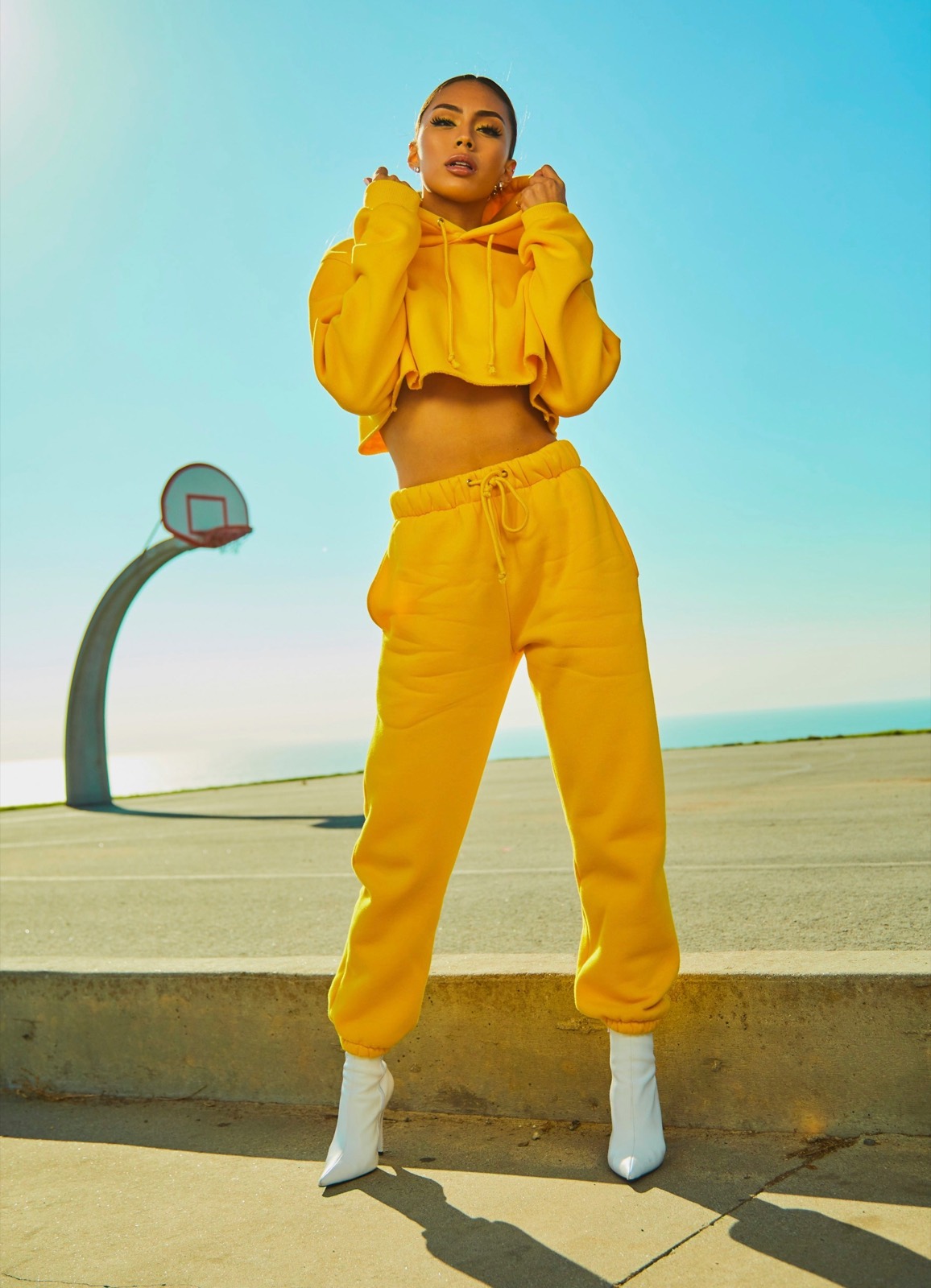
You've already tried the shortcut. That's why you're here.
You ran a batch through an AI tool or sent a season's worth of product shots to a budget shop, and the math looked good on paper. Then the files came back. Some were fine. A handful were genuinely good. And then there were the ones with the plastic skin, the color that drifted two shades off the actual fabric, the collar that got "cleaned up" into something that doesn't exist on the real garment.
The problem wasn't that any single image was unfixable. The problem was that you couldn't trust the batch. Some good, some bad, no way to know which without checking — so you became the quality control department. Opening every image, flagging the misses, writing up the corrections, waiting on the redo, checking again. The work you outsourced to save time quietly handed the time back to you, plus a layer of anxiety about what slipped through to the live PDP.
And that inconsistency has a downstream cost most teams underprice. When one product page looks crisp and the next looks slightly off, the catalog stops reading as one brand. Customers may not name it, but they feel it — and they read it as carelessness. Worse, when the photo doesn't match what ships, the package comes back. Returns tied to "didn't look like the picture" are a retouching problem wearing a logistics costume.
You're not looking for cheap anymore. You're looking for someone whose work you don't have to check — where image one and image five thousand come back to the same standard, the first time.
How we make every image come back the same
Consistency isn't a promise you can make by saying it. It's something a process produces or it doesn't. Here's the process that produces ours.
Three sets of trained eyes on every image, before you see one.
Quality isn't a final glance — it's built into the flow. Preparation: clipping and background work. Main retouching by a specialist in that garment type. Internal QC against your standards before delivery. That's the difference between consistency you can count on and consistency you have to verify yourself.
Retouchers organized by category, not by who's free.
A shoe, a bottle, and a blazer fail in different ways under the same edit. Our retouchers specialize — the person finishing your knitwear understands knitwear, the person doing invisible-mannequin reconstruction does that and not on-model skin. The same trained eyes finish the same garment types, order after order, which is why the work doesn't drift when the volume climbs.
Your brand standards build with us, order over order.
Your account has a single point of contact, and what we learn stays. The first project teaches us your color targets, your crop conventions, your "we never do that" list. We won't pretend to know your brand on day one — but by the third order we're not asking, we're applying. That accumulated, brand-specific knowledge is the thing an AI tool can't hold and a rotating budget shop keeps forgetting. It's also why consistency gets better the longer you work with us, not worse.
Capacity that's planned, not improvised.
We don't run a first-come queue and hope. We learn your cadence — your drops, your peak weeks — and we staff your account for them in advance. The result is reliability: the same quality at 50 images and at 5,000, because the capacity was built before you needed it.
What that consistency looks like up close
Consistent isn't worth much if it's consistently mediocre. So here's the standard every image is held to — the proof that reliable output is also genuinely good. "Natural" is the most overused word in retouching, so here is exactly what we mean by it: five specific commitments, not adjectives.
Fabric still looks like fabric.
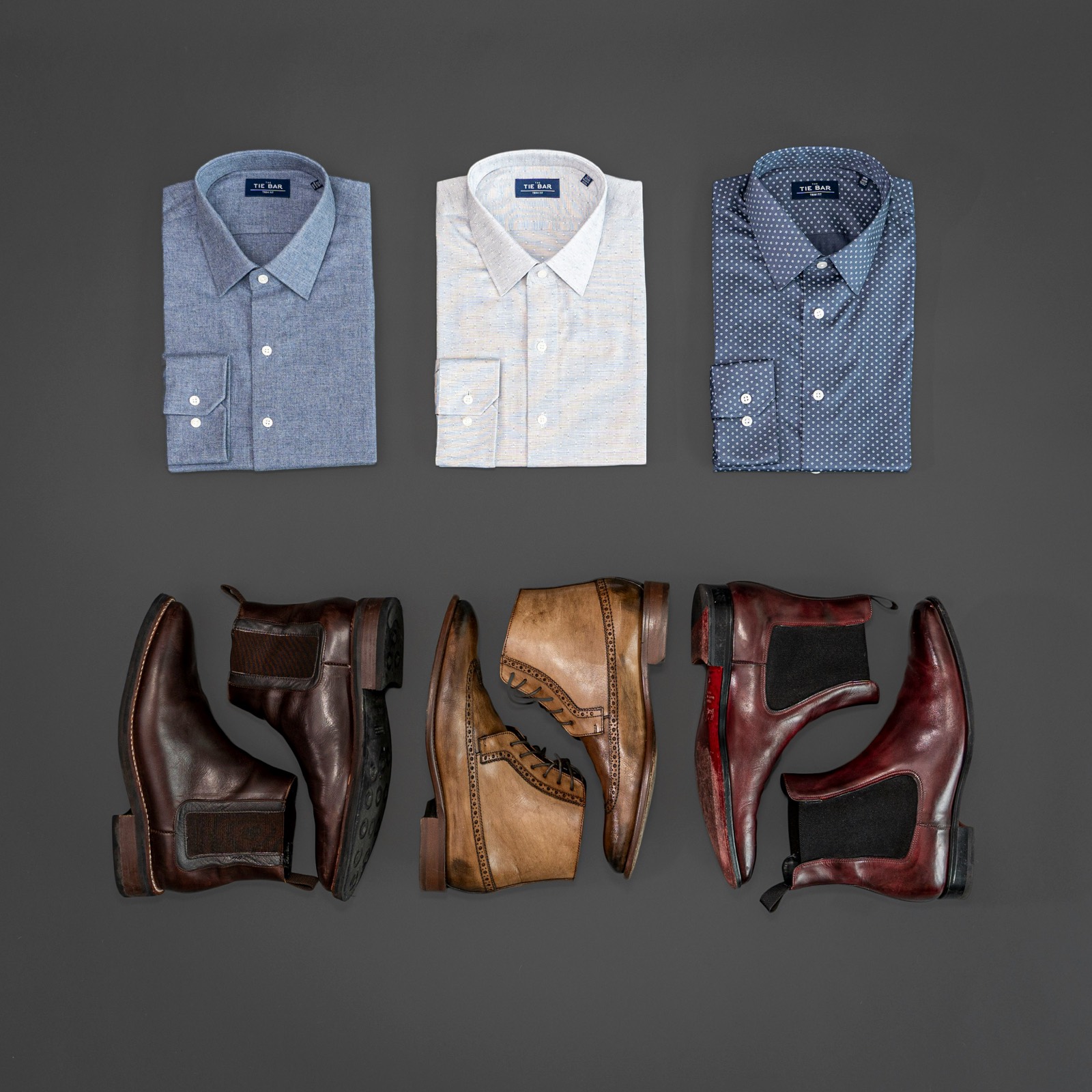
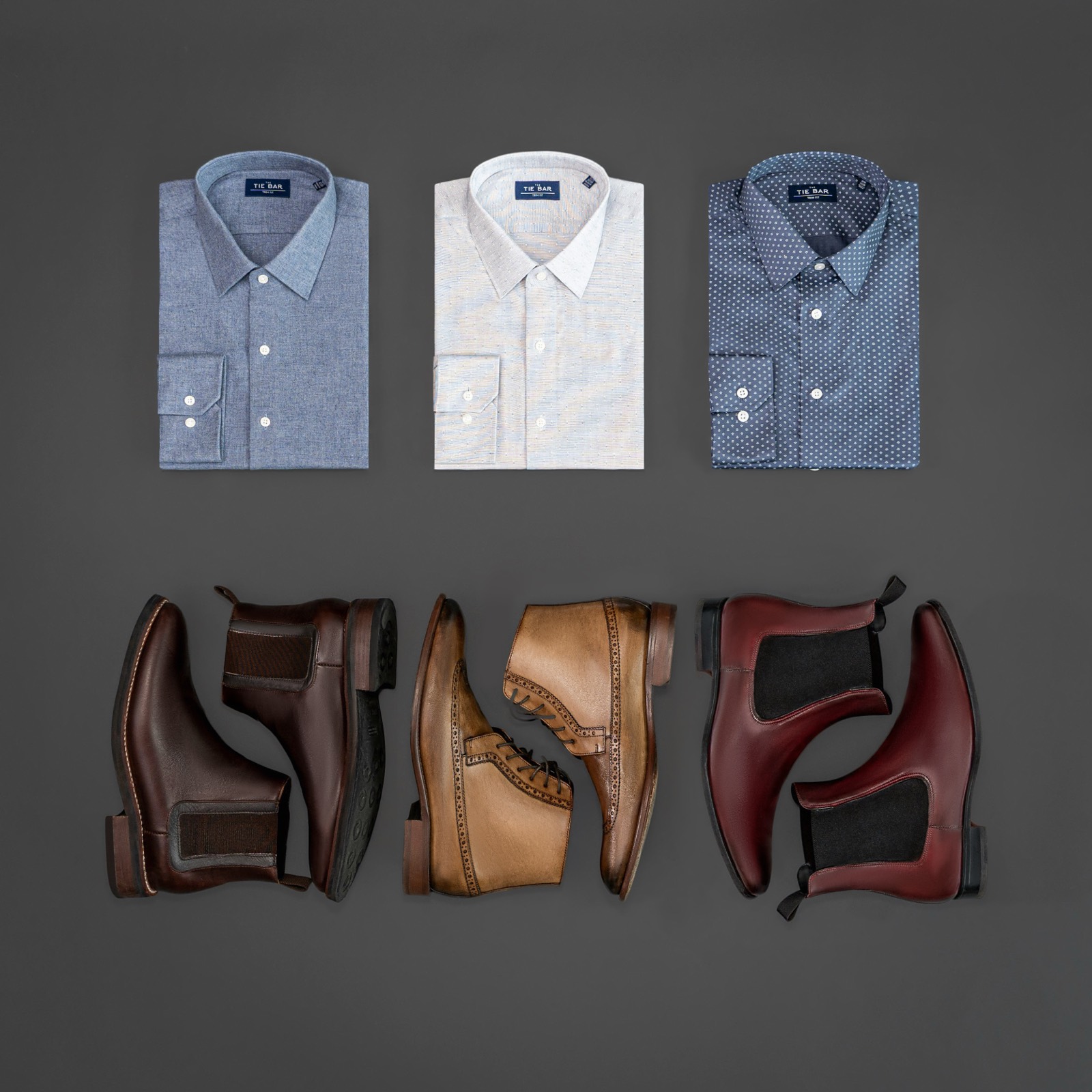
Weave, texture, drape, and sheen are preserved. Cotton reads as cotton, denim as denim, silk as silk. We don't flatten a knit into a smooth gradient or sand the grain off a linen. The material is the product; we protect it.
The garment is at its best but still recognizable as what ships.
We remove the lint, the stray thread, the bad fold, the dust on the lens — the things that don't belong. We do not redesign the piece, invent seams, or "improve" a cut into something the customer won't receive. Improvement, not fabrication.
Skin looks like skin.
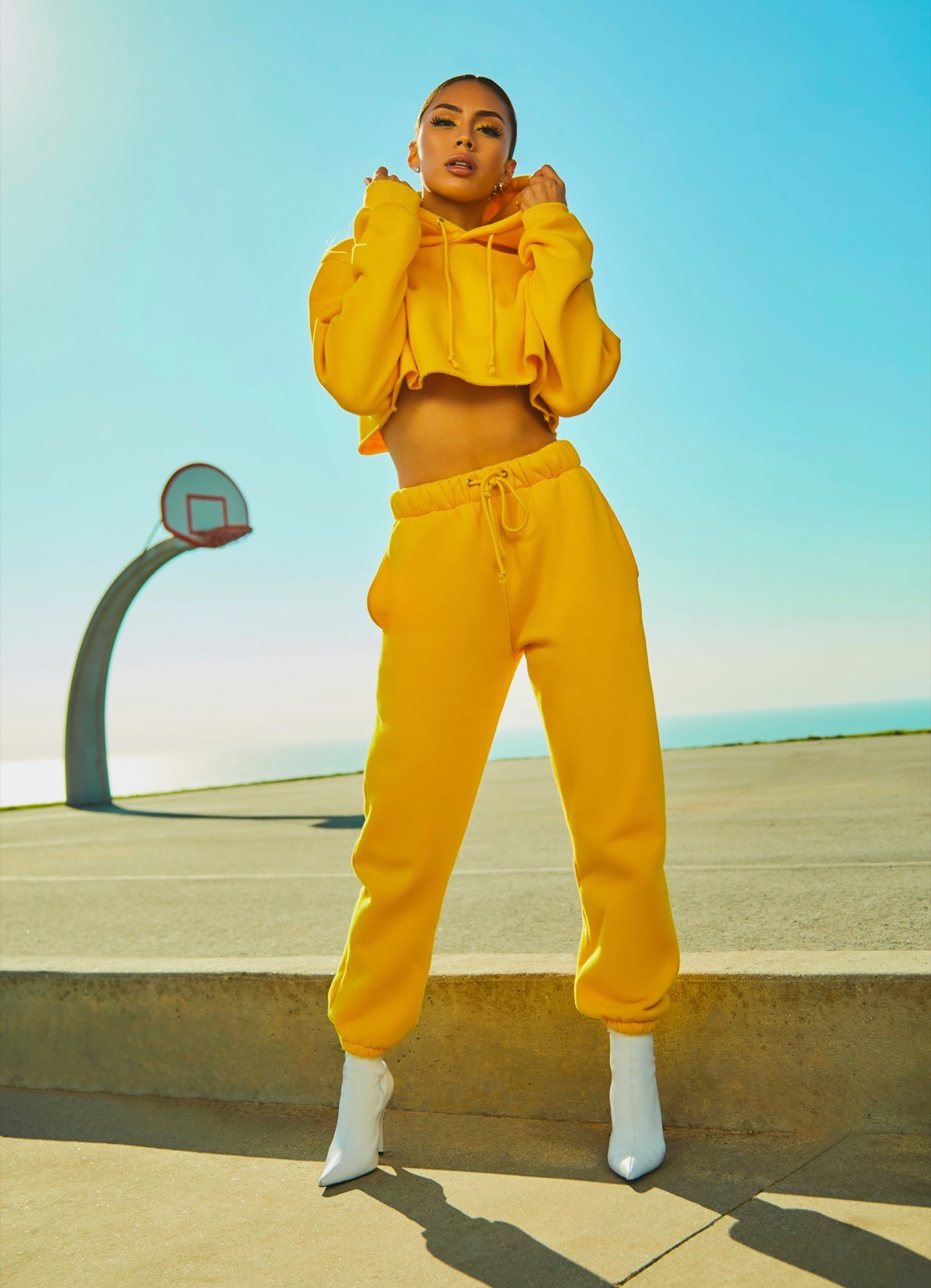
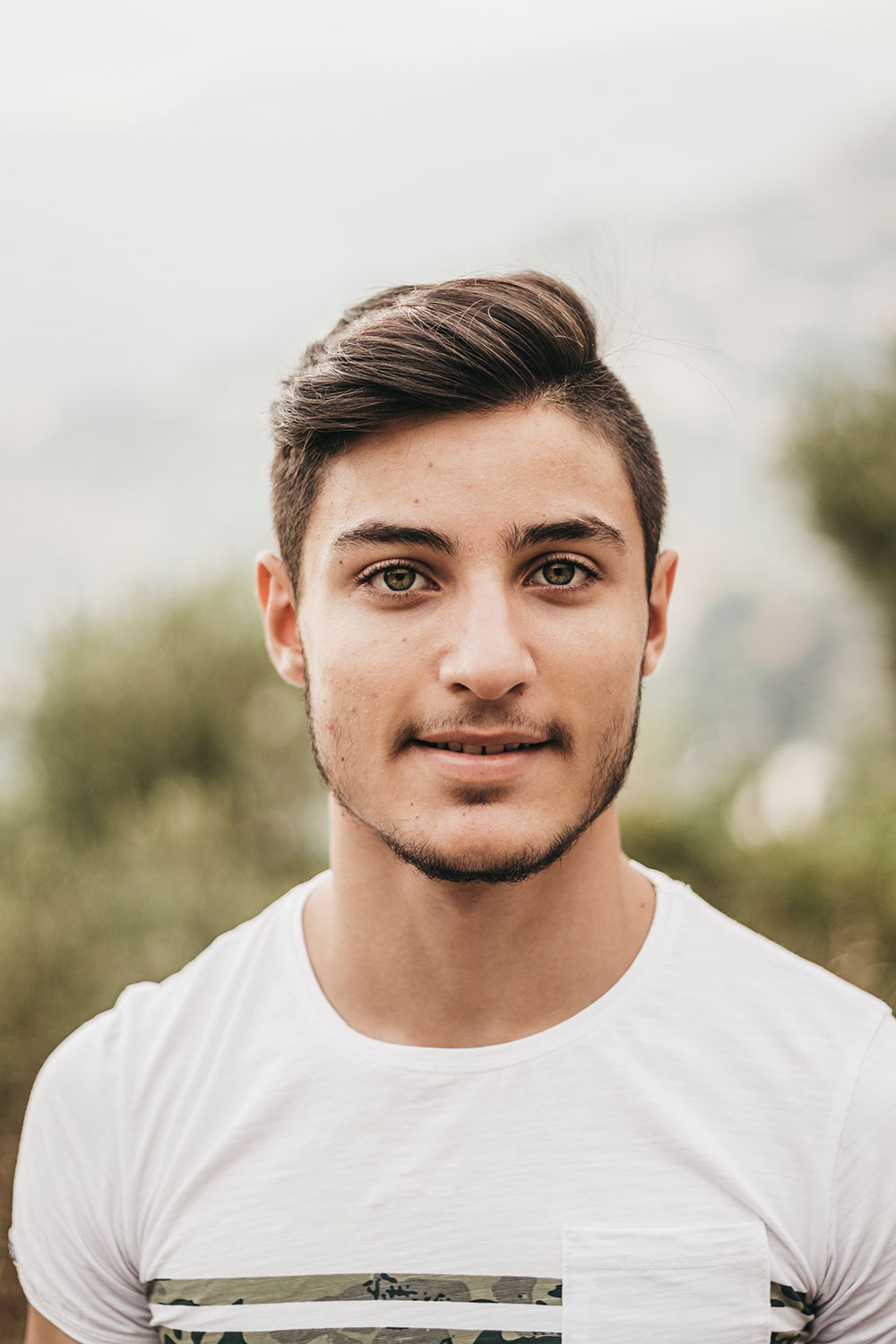
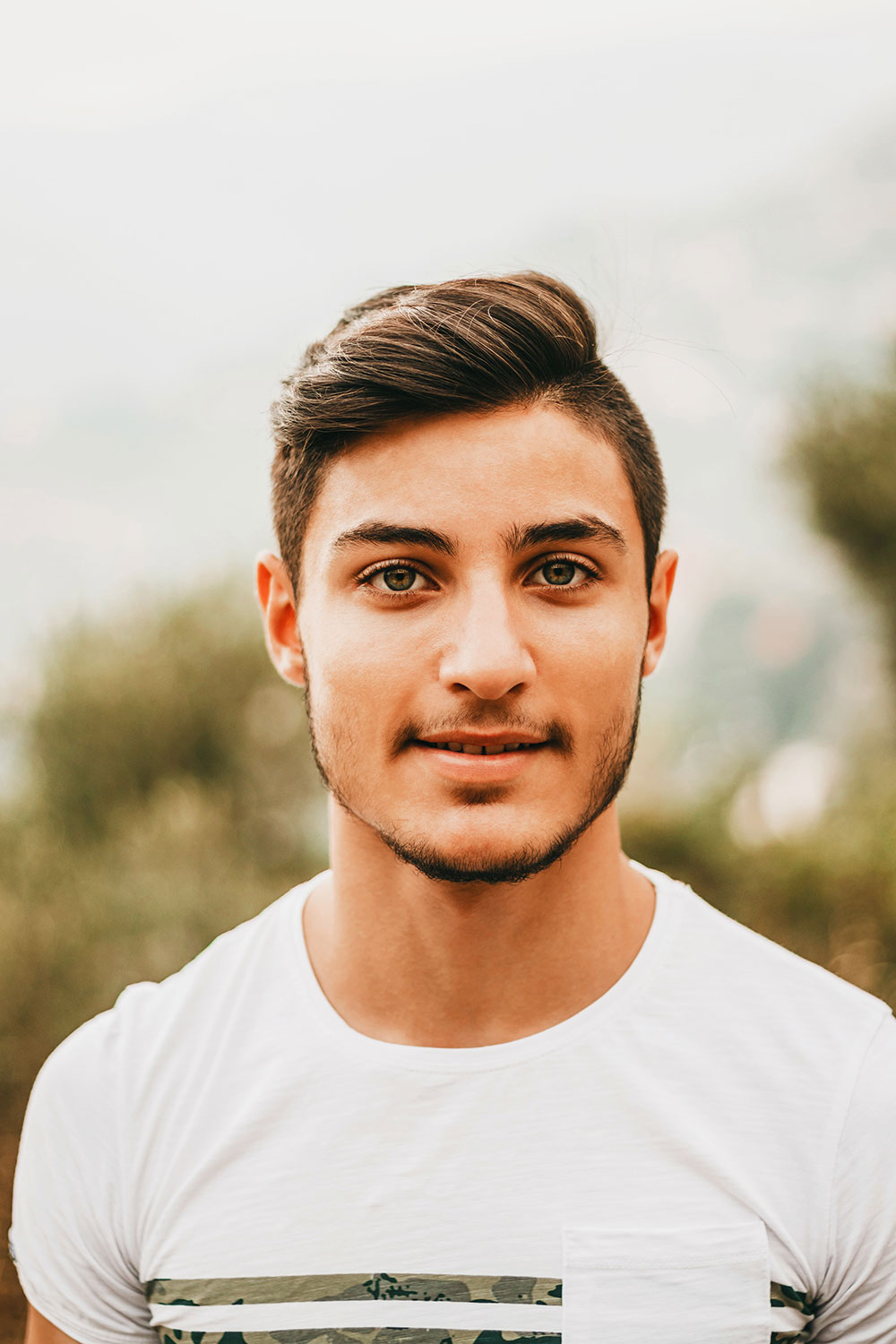
On-model work keeps pores and texture. We even tone and remove genuine distractions without the airbrushed, poreless plastic that signals "edited" to anyone who's looked at a screen in the last decade. A real person wore the garment; the image should say so.
Color is true to the actual product.
We match to the real item, not to whatever the camera and lighting decided that morning. Color accuracy is where "looks like the photo" returns are won or lost, so it's treated as a deliverable, not an afterthought.
The retouching is invisible.
The goal isn't "polished." It's imperceptible. A finished image should look like a great photo of a great product — not like a product that was photographed and then worked on. If you can see the retouching, we didn't finish the retouching.
Built for the way apparel actually photographs
Apparel isn't generic product photography, and each shot type has its own way of going wrong. We handle the full range — each by the specialists who do that work daily.
On-model catalog.
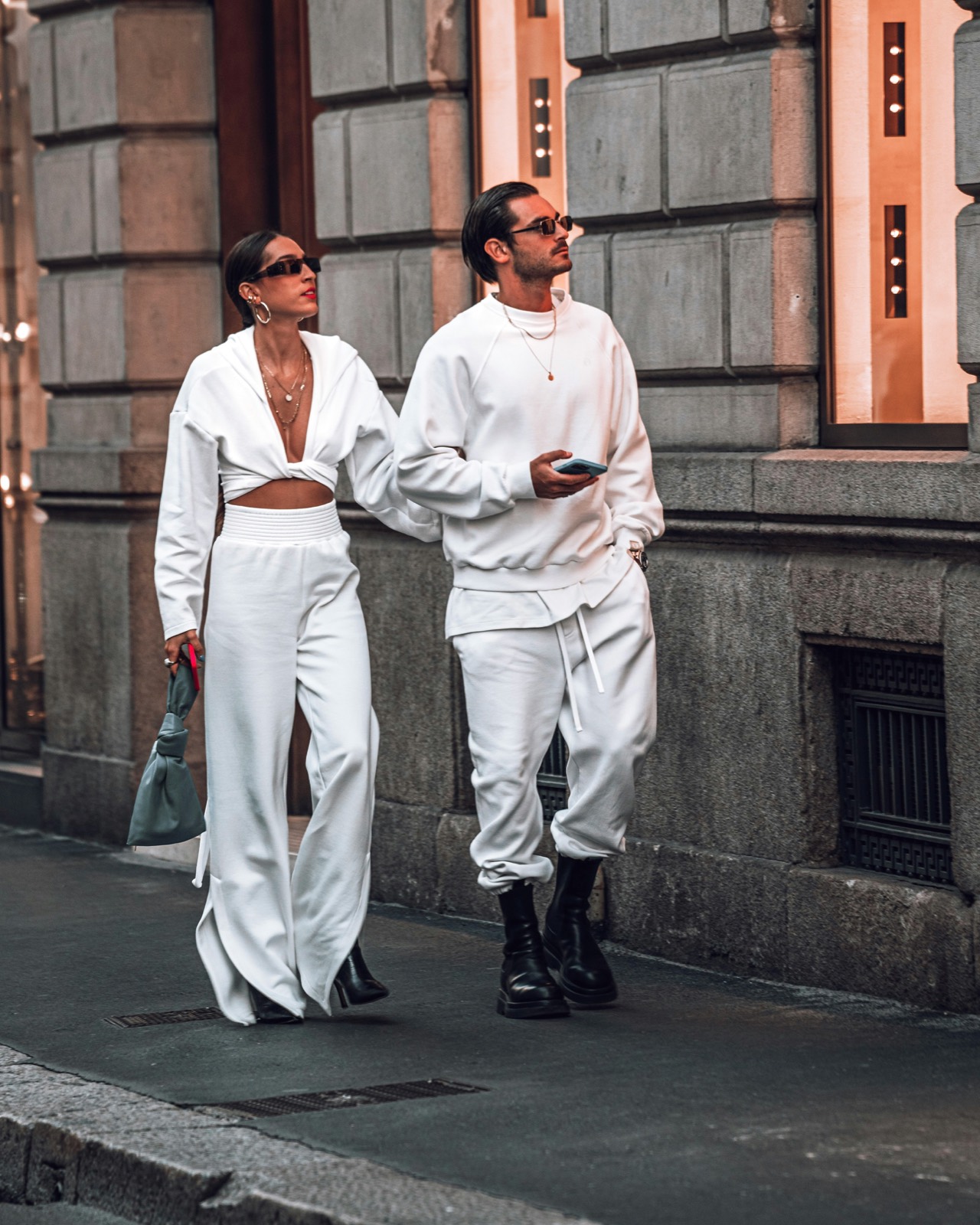
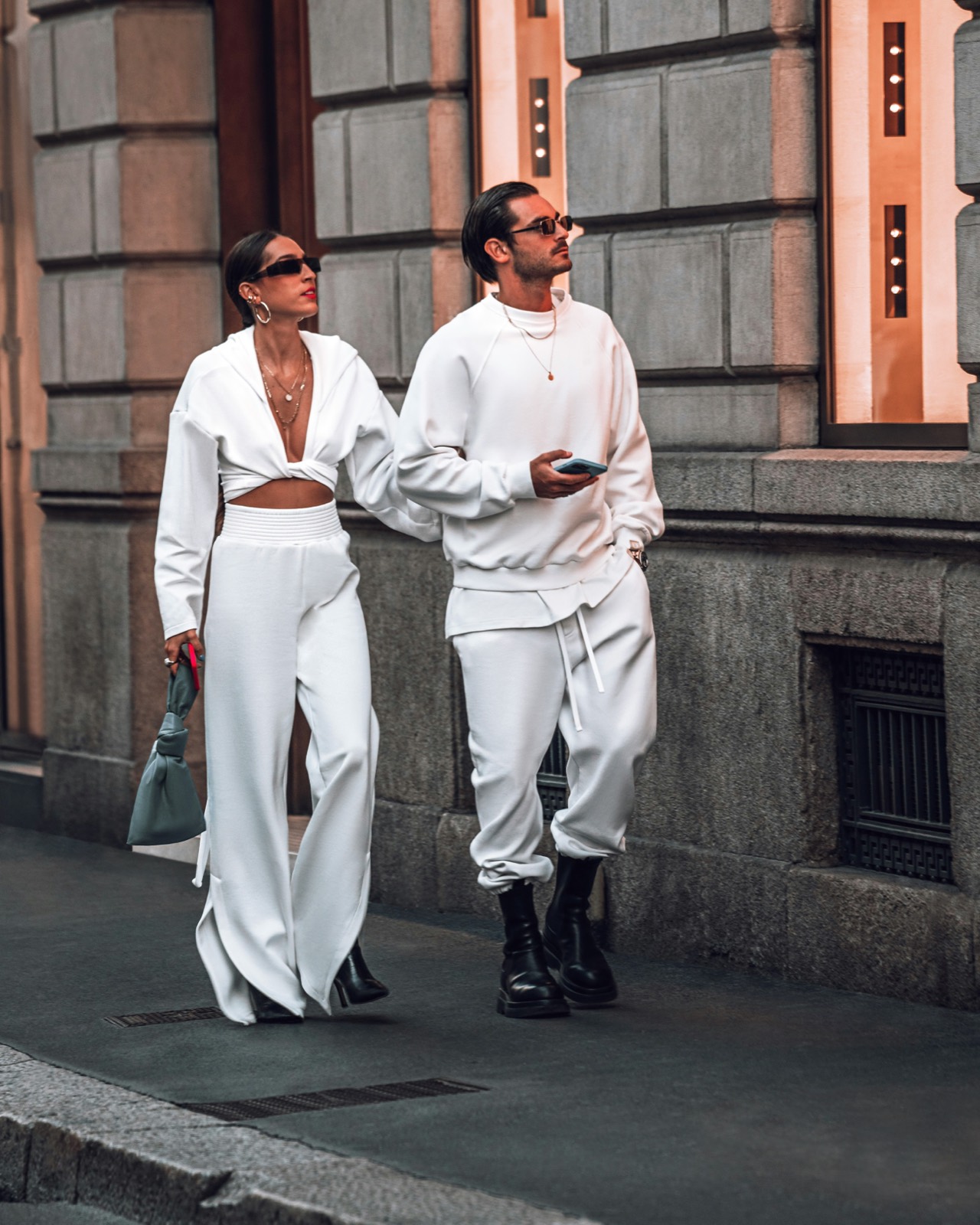
Garment shaping, fit and drape correction, skin and hair cleanup, distraction removal — keeping the model natural and the clothing the hero, at catalog volume and to one repeatable standard.
Flat-lay and packshot.
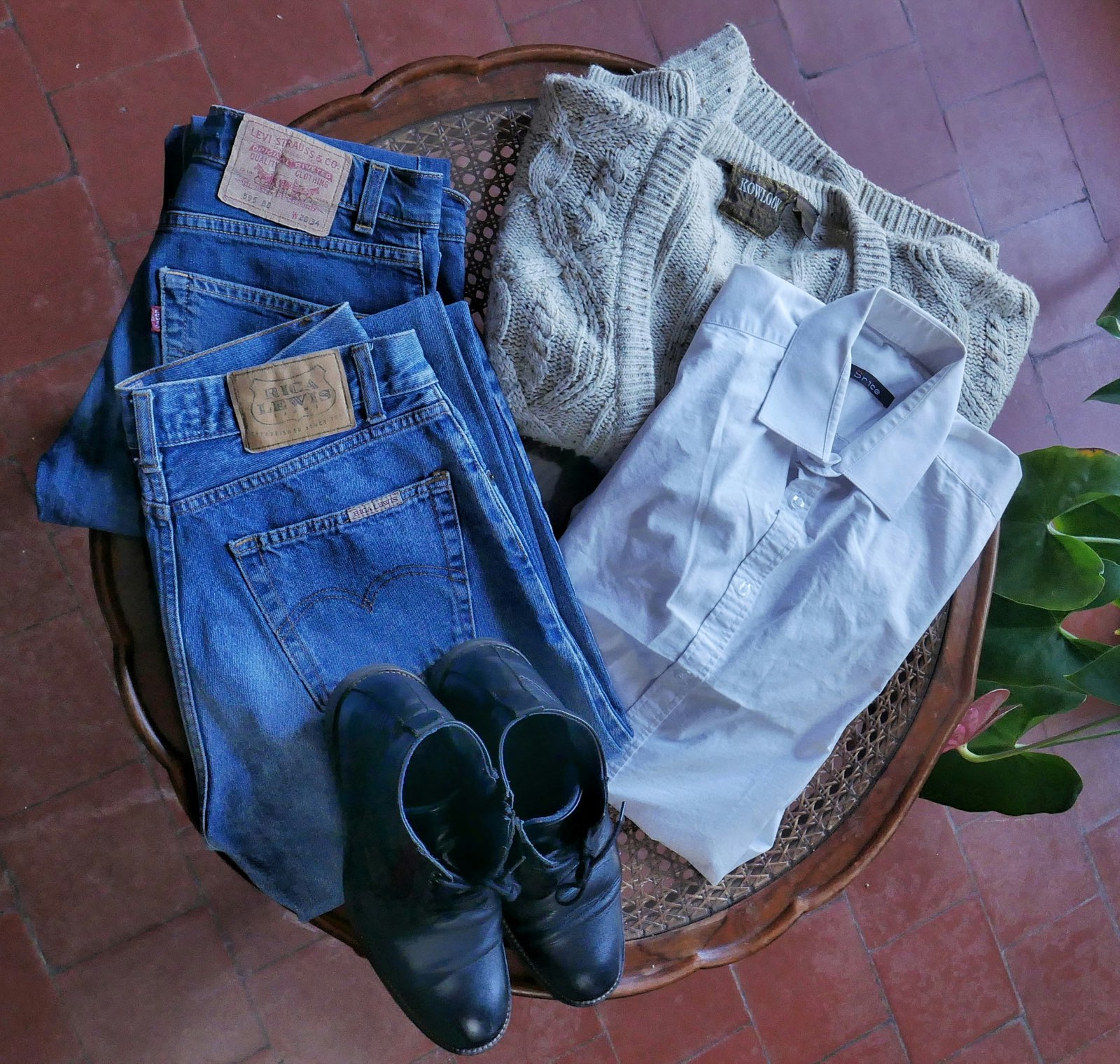
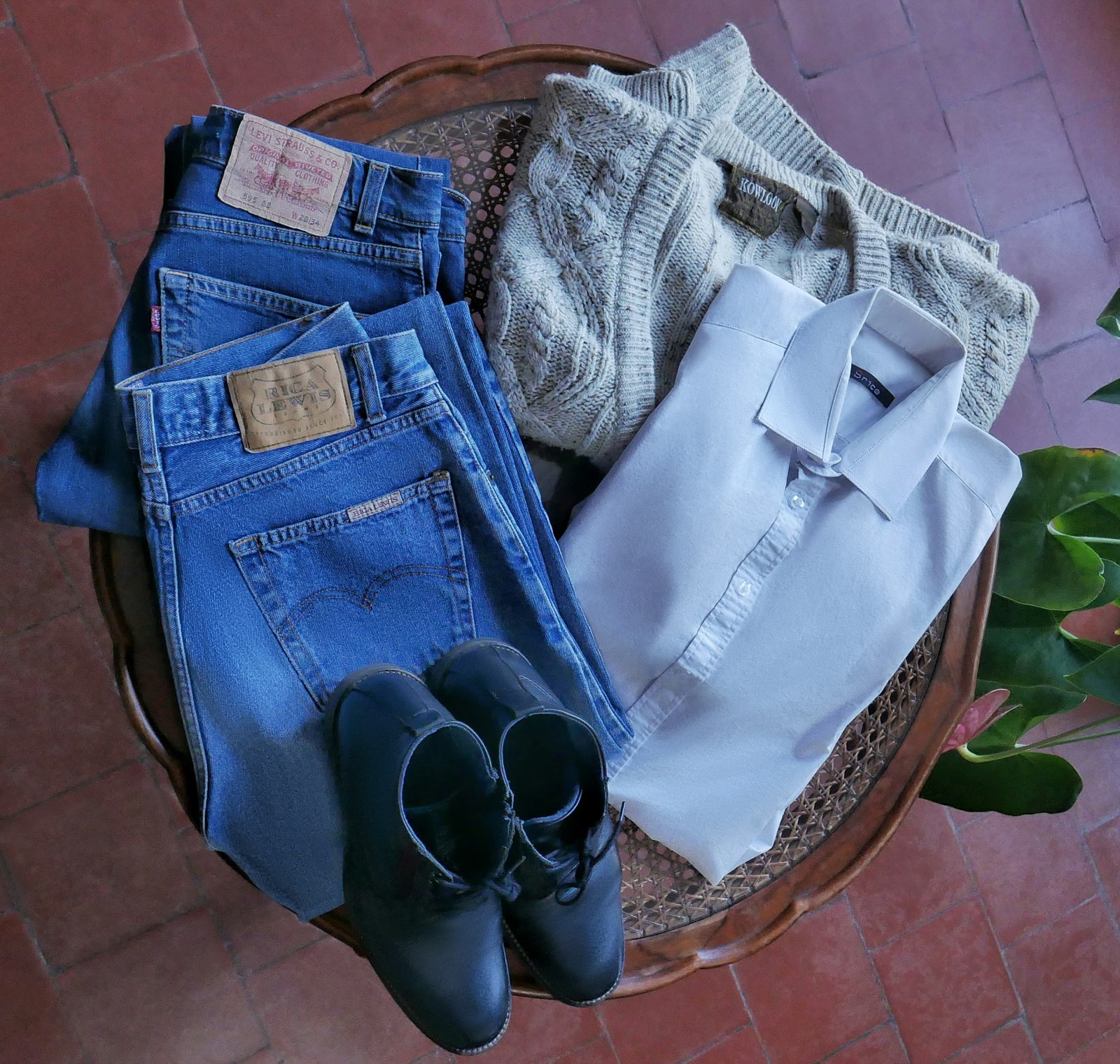
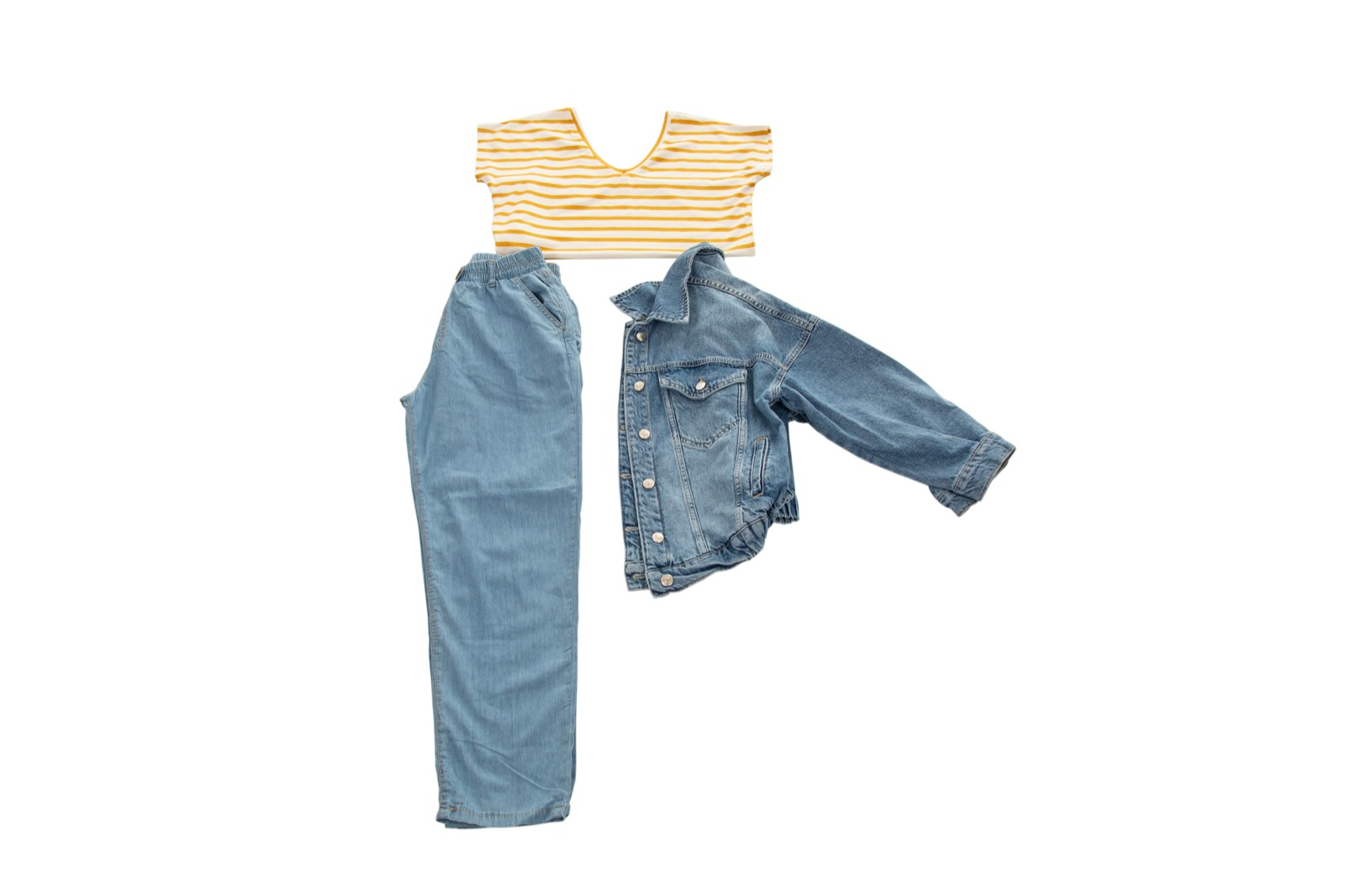
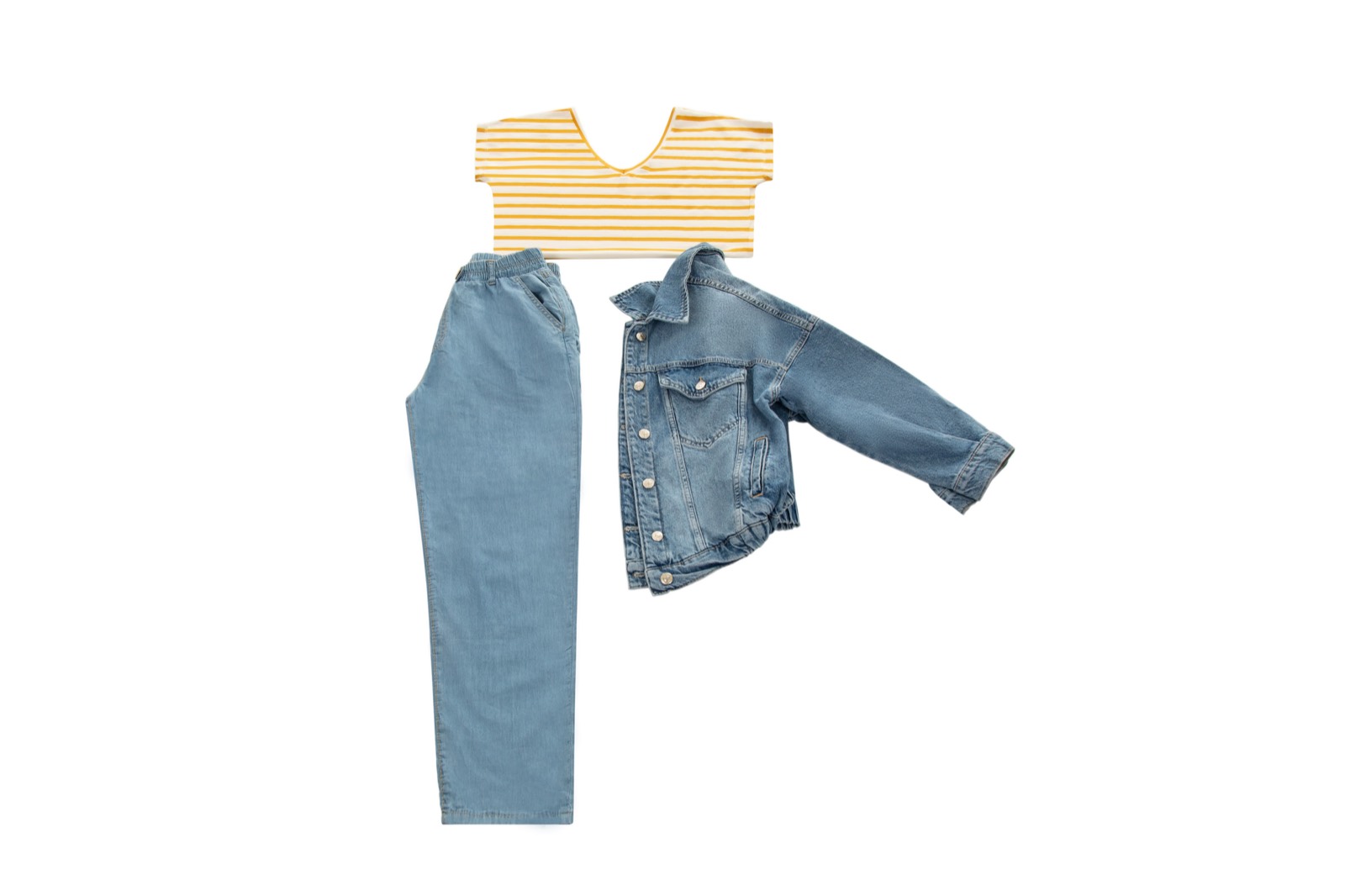
Clean backgrounds, accurate shadows, symmetry and alignment, true-to-life surface and texture on the laid or hung garment.
Ghost mannequin (invisible mannequin).
Neck joins, interior label and lining reconstruction, and a hollow-form result that holds the garment's real shape without a body in it.
Color consistency across a collection.
When a style ships in eight colorways, all eight should look like one shoot. We hold color and tone steady across a SKU set, a drop, and a season — so the grid reads as a system, not a patchwork.
Ecommerce-optimized output.
Files prepared to your marketplace and on-site specs — sizing, crop ratios, background, naming — so images drop straight into your pipeline.
Editorial and campaign.
Handled by our fashion specialists rather than the catalog line. See fashion photo retouching for campaign, editorial, lookbook, and beauty work.
The practical side of working with us
Turnaround.
Standard orders — roughly 500 images or fewer, depending on complexity — typically come back in one business day. Larger and more complex work is quoted per project with a committed timeline you can plan against.
File transfer on your terms.
Send work through our client portal, over SFTP, or let us pull directly from your servers. Whatever already fits your workflow — we adapt to it rather than asking you to adapt to us.
A studio structure that backs it.
We operate from a US studio and a Paris office, coordinating an international production team. Every order is managed through US- and France-based coordination, so your communication, your standards, and your accountability sit with people you can actually reach. The consistency holds regardless of where an image is finished, because the standard and the QC live with the people you talk to.
Why apparel brands choose our professional photo retouching services
We've been doing only this since 2013 — thirteen years of professional photo retouching services, with the workflow, specialization, and judgment that come from volume done carefully rather than fast.
The numbers are operational, not promotional. More than 3 million images processed. 30+ professional retouchers, organized by category specialty. A multi-office structure that keeps management close to the client and production scaled to demand. None of that is decoration — it's the machinery behind one simple outcome: the hundredth image in an order looks like the first.
This is built for brands who treat their catalog as a strategic asset — whether you ship 50 SKUs a season or 5,000. If your images are how customers decide, they're worth finishing like it — and worth finishing the same way every time.
Request a Custom QuoteFrequently asked questions
How do you keep quality consistent across a large catalog?
Two ways. Every image moves through a three-stage process — preparation, specialist retouching, and internal QC — so nothing reaches you on a single person's say-so. And because retouchers are organized by category, the same trained eyes finish the same garment types, which is what keeps image one and image five thousand looking like one shoot.
What makes your retouching look natural when AI tools and cheaper shops don't?
The difference is preservation. We keep the things that make a garment and a person look real — fabric weave and sheen, skin pores and texture, true color — and only remove what doesn't belong. Tools and unspecialized shops tend to over-process toward a smooth, generic ideal, which is exactly the artificial look you're trying to avoid.
How fast can I get my images back?
Standard orders of roughly 500 images or fewer typically return in one business day, depending on complexity. Larger volumes and complex projects are scheduled with a committed per-project timeline, so you always have a date to plan around rather than a hope.
Will the edited photos still match what the customer actually receives?
Yes. We correct color to the real product, not to the lighting, and we improve the garment without redesigning it. Accurate, honest images are the cheapest way to reduce returns caused by photos that didn't match the item.
Can you match the look across an entire collection or multiple colorways?
Yes — color and tone consistency across a SKU set, a drop, and a season is a core specialization. When a style ships in several colorways, we hold them to one standard so your product grid reads as a coherent system instead of separately edited files.
How do I send you my files?
You can use our client portal, send files over SFTP, or let us pull directly from your servers — whichever fits your existing workflow. We adapt to your pipeline rather than forcing a new one on you.
Do you handle ghost-mannequin, flat-lay, and on-model work, or just one type?
All of them, plus packshot and ecommerce-optimized output. Each is handled by retouchers who specialize in that category, because invisible-mannequin reconstruction requires different skills than natural on-model skin work. Campaign, editorial, and beauty work is handled separately by our fashion team.
Can you scale up for a big launch or seasonal peak?
Yes, and we plan for it in advance. Because we staff your account to your program ahead of time, your peak weeks get the same quality and turnaround as your quiet ones. Tell us your cadence and we build capacity around it.
Stop being the last line of QC on your own images
If you've been burned by inconsistent results and you're tired of checking every file, the next step is simple. Tell us what you shoot, how much, and how often. We'll come back with a plan and a custom quote built around your catalog — no published price list, because your program isn't a template.
Request a Custom Quote