Hand-Drawn Clipping Path Service for Cutouts That Hold Up on White
Hand-drawn product cutouts — bags, shoes, bottles, garments, packaging — by retouchers who specialize in clipping. Crisp outlines that hold up on white, on a brand color, on any replacement background. Delivered as an editable vector path your team can keep using, not a raster cutout that ends at export.
Request a Custom Quote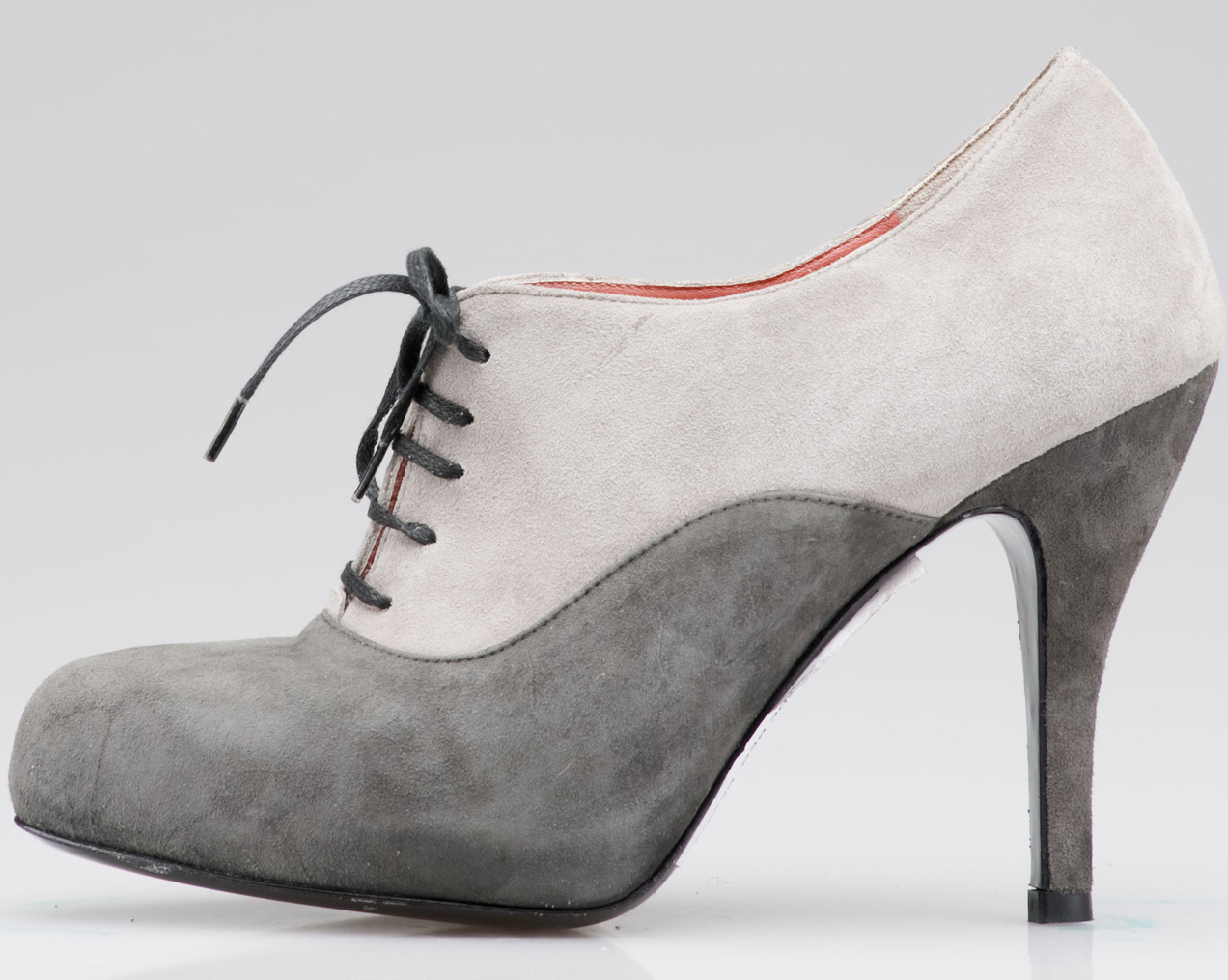
A clipping path you can keep working with
What AI background removers and one-click tools produce is a raster cutout — a fixed-resolution image with the edge decisions baked into pixels. Even when the output is a transparent PNG, that transparency is raster: the outline is locked at the resolution it was exported at and can't be precisely re-edited. What we deliver is a vector clipping path saved into the file — resolution-independent, re-editable point by point, re-usable without re-isolating the product.
That difference shows up the next time a product needs to ship across multiple background colors from one shoot. The next time marketing wants the cutout dropped on a new seasonal banner without re-isolating the product. The next time the catalog moves to a different size standard and every cutout needs to recrop without redoing the path. With a saved vector path, your team selects what they need and works from there. Without one, every variant starts from scratch.
This isn't a quality gap AI will close as it improves. It's an architectural difference. A raster cutout is finished output — pixels, locked. A vector clipping path is editable structure — points, movable, scalable. The two aren't different versions of the same thing. They're different deliverables, and the deliverable is what determines what your team can do afterward.
How we draw a path that holds up
Clipping path quality is one of those things you can't fake into existence with a process diagram. It comes from the tool used, the person using it, and the discipline around the work. Here's the discipline.
Hand-drawn, not auto-traced.
Every path is drawn with the pen tool, point by point, by a person looking at the actual edge of the actual product. AI tools and one-click background removers approximate the outline using image recognition — fast on the easy ones, inconsistent on everything else. Hand-drawn paths don't approximate. They follow the edge.
Clipping specialists, not whoever is free.
A path around a leather handbag is a different job than a path around a glass bottle is a different job than a path around a knitted garment. Our retouchers organize by category — the person clipping your handbags has clipped handbags before, the person handling glass and hard-transparency products does that work daily, the person taking on apparel cutouts knows where a knit's texture changes the contour and where it doesn't. The hard work goes to the people who do it every day.
Three sets of eyes before you see anything.
Every order moves through preparation, main clipping by the specialist, and an internal QC pass against your standards before delivery. That's the difference between paths you can trust and paths you have to spot-check. The QC pass exists because consistency at volume isn't a slogan — it's a workflow.
The same standard on image 1 and image 1,000.
Whether your order is a single hero shot or a full season's catalog, the path on the last image meets the same standard as the first. No drift, no late-order shortcuts. Consistency comes from the way the studio is built — specialists assigned to the work they specialize in, capacity planned in advance, QC built into the flow rather than bolted on at the end.
What we clip
Clipping path work is one operation with many uses. Across 13 years of production, here's the range we handle as standard.
Product cutouts.
Isolating the product cleanly from its shot background, with edges sharp enough to hold up at any output size — from category thumbnail to hero crop. The standard work, done to a non-standard finish.
Background removal and replacement.
Removing the original background entirely, dropping the product onto white, a brand color, or a new shot environment. The path quality determines whether the replacement looks composed or pasted; the difference is in the edges.
E-commerce catalog preparation.
Cutouts prepared to your storefront's specs — output size, padding, file format, naming convention — so the files drop straight into your pipeline without a second pass. See our e-commerce photo editing service.
The harder outlines.
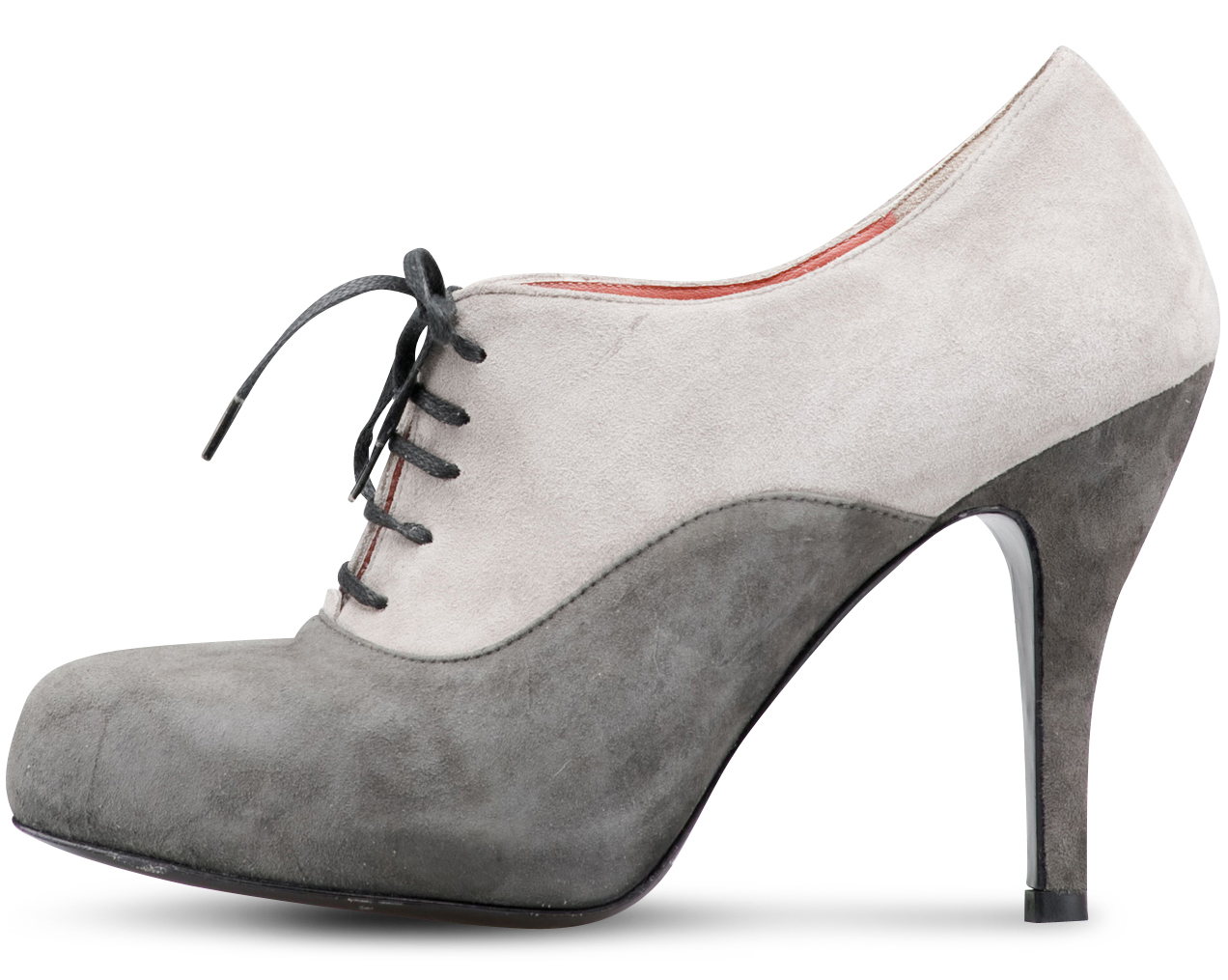
Layered silhouettes where a strap crosses the body of a bag, negative space inside a laced shoe or a perforated panel, the curved outline of a glass bottle, multi-segment silhouettes that simple auto-tracers connect wrong. We draw each in the order the product is actually built — outer outline first, internal cutouts second — so the delivered path matches the product structure, not a tool's approximation of it.
Multi-image consistency.
When a product ships in a 50-image catalog or an 8-colorway run, the cutout treatment stays the same across every image — same crop conventions, same shadow handling, same edge precision. Catalog work that reads as one shoot, not as fifty separate jobs — the same discipline behind our apparel catalog retouching.
When the work isn't quite clipping path
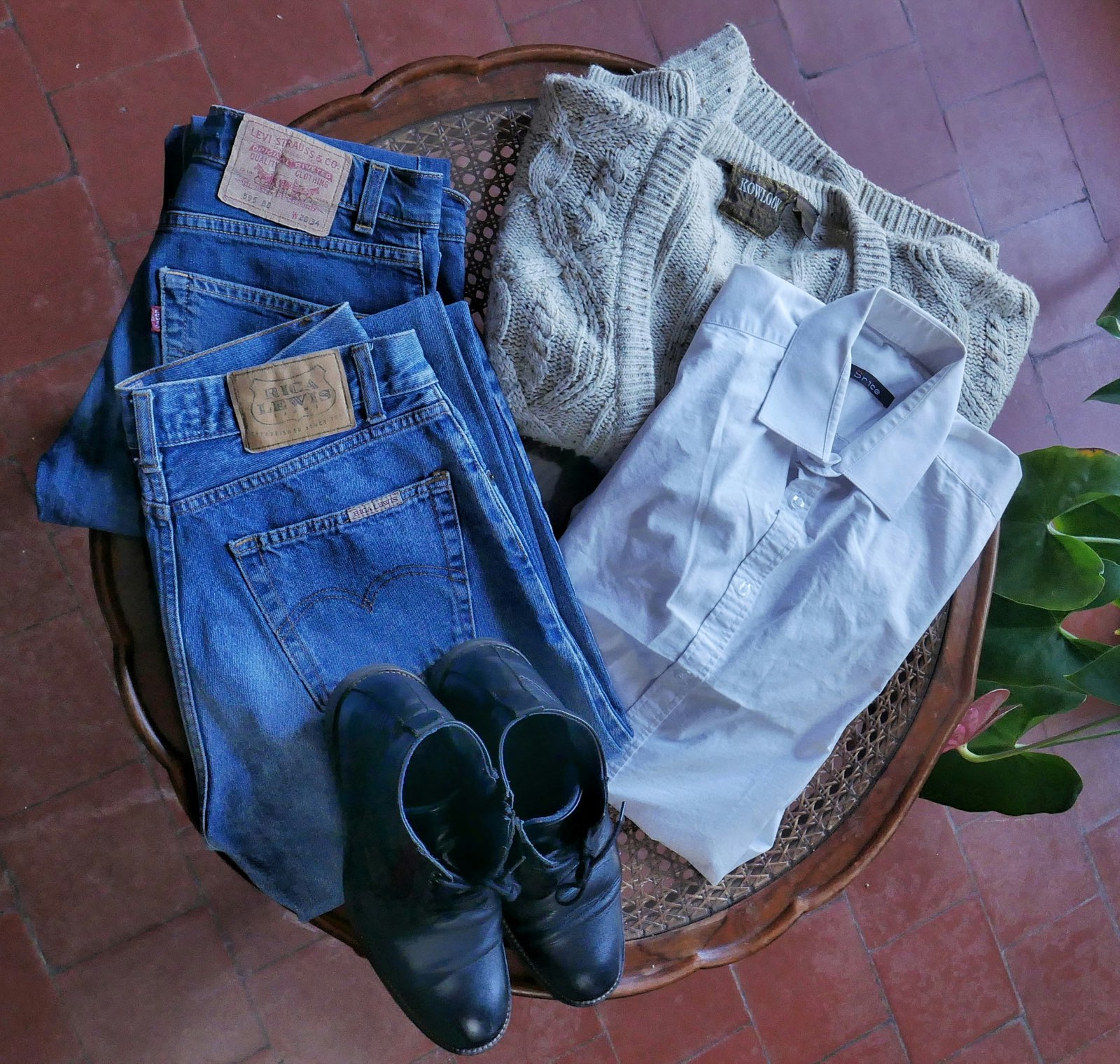
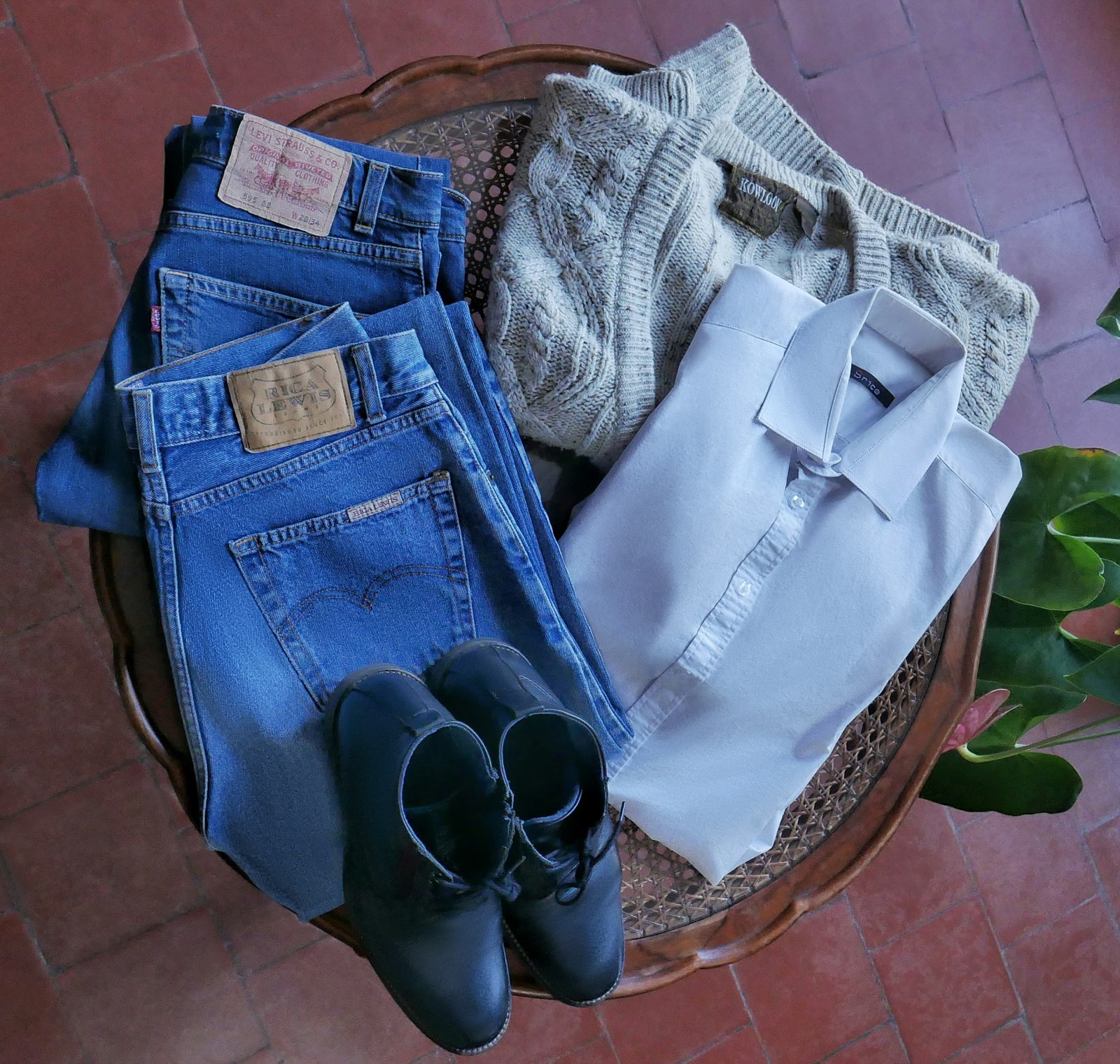
Some products don't reduce to a single outline. A jacket with a contrast collar and separate cuffs needs the body, the collar, and the cuffs isolated as their own paths — so your team can swap a colorway without retouching the whole image. A pair of glasses needs the frames separate from the lenses. A handbag may need the body, the strap, and the metal hardware as their own layers. A multi-colorway garment shipping in eight colors needs the recolorable panels separated cleanly so a single shoot generates the variant images for every SKU. That's a different specialty — multiple hand-drawn paths within one image, each component named logically and delivered as an editable layered file your team can work with directly. We handle it as a dedicated service rather than tucking it inside standard clipping, because the work is harder and the buyer needs are different.
See our multi-clipping path service →
And some edges aren't clipping path work at all. Hair, fur, lace fabric, fine mesh, the soft transparency of a translucent fabric or a frosted glass surface — these need masking, a different technique combining pen-tool work with channel- and brush-based extraction. Where clipping path draws a defined edge, masking handles the edges that aren't defined at the pixel level. Different specialists, different process, different deliverable. For products with both kinds of work in the same shot — a model wearing a knit garment, for instance — we'll quote it as a combined project.
The practical side of working with us
Turnaround.
Standard clipping orders — roughly 500 images or fewer, depending on edge complexity — typically come back in one business day. Larger orders and unusually complex work are quoted with a committed timeline you can plan against rather than a hope.
File transfer on your terms.
Use our client portal, send over SFTP, or let us pull directly from your servers. Whatever already fits your workflow — we adapt to it, not the other way around.
A single point of contact.
Every client account is handled by one coordinator who carries your specs forward — your crop conventions, your padding rules, your edge-handling preferences. By the third order, we're not asking how you want it done. We're applying what we already know. See our full process.
Why brands choose our clipping path service for the hard work
We've been drawing clipping paths since 2013 — 13 years of pen-tool work, organized into a studio designed to make path quality non-negotiable.
The numbers are operational, not promotional. More than 3 million images processed across the studio's history. 30+ professional retouchers, with clipping specialists who do that work daily. A multi-office structure — US studio, Paris office, and an international production team — that keeps client coordination close and production scaled to demand.
None of that is decoration. It's the machinery behind one outcome: a clipping path that holds up at 200% zoom, on every image, every order. If your catalog images carry your brand, they're worth a path that doesn't fall apart when someone looks at the corners.
Request a Custom QuoteFrequently asked questions
What's the difference between hand-drawn clipping and AI background removal?
Hand-drawn clipping uses the pen tool, point by point, with a person looking at the actual edge of the actual product. AI background removal approximates the outline using image recognition. Beyond the outline accuracy itself, the deliverable is different: AI produces a raster cutout — a fixed-resolution image with the edge baked into pixels, even when the output is a transparent PNG. Hand-drawn clipping delivers a vector path saved into the file: resolution-independent, re-editable point by point, and re-usable for new backgrounds, different crops, and layered compositions without re-isolating the product. Even as AI quality improves over time, that architectural difference doesn't change. A raster cutout is finished output; a vector path is reusable structure.
What about hair, fur, and soft-edge cutouts?
Those aren't clipping path work — they're masking, a different technique. Masking combines pen-tool work with channel- and brush-based extraction to handle edges that aren't defined at the pixel level: hair, fur, lace fabric, fine mesh, the soft transparency of translucent fabrics or frosted glass. Because masking output carries soft edges and partial transparency, delivery is in PNG, TIFF, or PSD — JPG can't hold a soft mask. We handle masking as a separate service. For products with both clipping and masking needs in the same shot — a model wearing a knit garment, for instance — we'll quote it as a combined project.
How fast can you turn around a clipping order?
Standard orders — roughly 500 images or fewer, depending on edge complexity — typically return within one business day. Complex and larger orders are quoted per project with a committed timeline you can plan against.
What file formats do you accept and deliver?
We accept JPG, TIFF, PSD, and RAW for input. Delivery depends on which deliverable you need. A saved vector clipping path — the file that lets your team keep working with the outline — is delivered in JPG, TIFF, or PSD, the formats that store a vector path alongside the image. A transparent raster cutout (no editable path) is delivered as PNG, or in a PSD with the cutout on its own layer. You can have both. Backgrounds can be transparent, pure white, or any specified replacement color, formatted to your storefront, PIM, or channel requirements.
Do you save the path on the file so we can re-use it?
Yes — paths can be saved into the delivered file (PSD or TIFF clipping path) so your team can re-edit, drop the product onto a new background, or generate variants without reclipping. Tell us at the quote stage and we'll deliver the file structure your workflow needs.
Can you scale up for a launch or seasonal peak?
Yes, with advance planning. For ongoing clients, we commit dedicated team capacity to your account so peak weeks get the same quality and turnaround as your quiet ones. Tell us your cadence — drops, sales, launches — and we build capacity around it.
How do you keep the cutout treatment consistent across a large catalog?
Two ways. Every image moves through a three-stage workflow — preparation, main clipping by the specialist, internal QC against your specs. And every client account has a single coordinator who carries your crop conventions, padding rules, and edge-handling preferences forward from order to order. By the third order, the standard isn't being asked about; it's being applied.
What if my product needs multiple separate paths within one image?
That's a separate specialty — multi-clipping path work, where each component (collar, cuffs, body; frame and lenses; bag body, strap, and hardware; recolorable panels) gets its own hand-drawn path within the same image, delivered as a layered file your team can edit by component. The work is different from standard single-path clipping, the buyer needs are different, and we handle it as a dedicated service.
Start with a test batch
Tell us what your catalog looks like — the product types, the volume, the cadence, and the output specs your storefront expects. Send a small test batch and we'll cut it the way we'd cut your live work: same specialist assignment, same three-stage QC, same vector-path deliverable. You judge the outcome and the file structure on real work rather than on a promise. Then we quote your program — scope, turnaround, working structure. No published price list, because clipping isn't a commodity job and your catalog isn't a template.
Request a Custom Quote